

Digital triage systems play a crucial role in efficiently managing healthcare resources, especially during times of surges like pandemics, natural disasters, or other emergency situations. These systems utilize technology to prioritize care by assessing the severity of patient conditions and directing resources to the most critical cases. By automating and streamlining the triage process, digital systems significantly reduce the burden on healthcare professionals, allowing them to focus on treating patients who require immediate attention. At the core of digital triage is the integration of data analytics, artificial intelligence AI, and real-time communication systems. These technologies analyze patient information quickly, whether it is through symptoms, vital signs, or medical history, and provide decision support to healthcare workers. For example, patients with severe respiratory distress in a COVID-19 outbreak are automatically flagged as high priority, ensuring that they receive immediate medical attention. The system can also allocate resources like ventilators, intensive care unit beds, or specialized healthcare staff based on the available capacity and demand, which can be dynamically adjusted as new data is received.
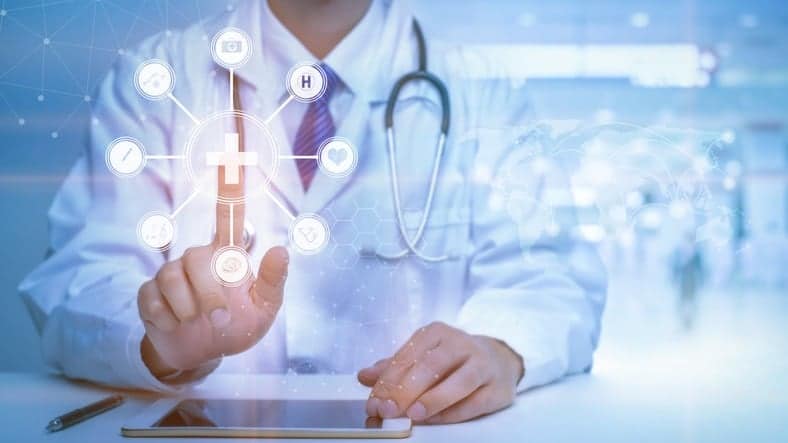
Another key advantage of digital triage systems is their ability to optimize workflows and enhance coordination. By using a centralized platform, healthcare facilities can ensure that all departments, from emergency rooms to intensive care units, are aligned in terms of patient status and resource availability. Furthermore, digital systems allow for the real-time tracking of patients as they move through various stages of care, ensuring no one falls through the cracks. These systems are also scalable and adaptable, which is particularly important in fluctuating emergency scenarios. For instance, as a new wave of patients arrives, digital triage systems can instantly re-prioritize cases based on changes in the severity of the situation. This adaptability is essential in maximizing the effectiveness of healthcare delivery during surges, ensuring that the most critical patients are attended to promptly while others may be directed to lower levels of care or alternative healthcare settings.
The effectiveness of digital triage systems extends beyond just the operational aspects of patient care. These systems improve overall patient outcomes by ensuring that those who need urgent medical intervention are not delayed due to manual triage errors or inefficiencies in resource allocation. The use of data-driven algorithms helps reduce human error, which is especially vital in high-stress, fast-paced environments. Additionally, patients benefit from receiving the right level of care at the right time, reducing the chances of complications and improving the chances of recovery. Despite the numerous advantages, there are challenges to implementing digital triage systems. Issues such as data privacy, security concerns, and the need for sufficient infrastructure to support these systems are important considerations and investigate this site. Moreover, healthcare workers must be adequately trained to use the technology effectively to avoid any potential misinterpretation or misuse of the system. In conclusion, digital triage systems offer a powerful solution to the problem of efficiently managing patient care during healthcare surges.